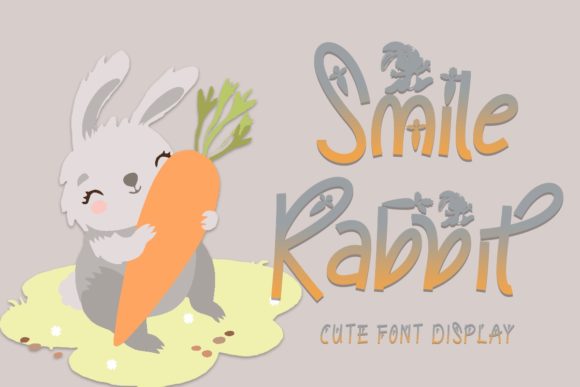
Enhance Your Web Design with Smile Rabbit Font
As I was tweaking the hero section of a boutique online store, I stumbled upon Smile Rabbit, a unique and beautiful display font. This typeface has an undeniable charm that can elevate any digital project. Its playful yet elegant style makes it perfect for adding a touch of creativity and personality to web designs.
Visual Characteristics and Personality
Smile Rabbit is characterized by its smooth, rounded edges and whimsical curves, which give it a friendly and approachable feel. The font's overall mood is cheerful and inviting, making it ideal for projects that aim to create a warm and engaging user experience. Its modern appeal and versatility make it a great choice for a wide range of digital applications.
Using Smile Rabbit in Web Design
I decided to test Smile Rabbit in the header of the boutique online store. The font's bold and distinctive style immediately caught the eye, drawing attention to the brand name and creating a strong visual impact. For the hero section, I used it for a short, impactful headline, which complemented the high-quality product images perfectly.
- Headers and Hero Sections: Use Smile Rabbit for main titles and headlines to grab attention and set the tone for the page.
- Landing Pages and Call-to-Action Areas: Apply it to CTA buttons and short, compelling phrases to enhance user engagement.
- Online Shop Banners and Blog Graphics: Incorporate it into promotional banners and blog post headers to add a creative flair.
Readability and Visual Hierarchy
While Smile Rabbit is visually appealing, it's important to consider readability, especially on mobile screens. For longer text, I paired it with a clean, simple sans serif font for body copy. This combination ensures that the content remains easy to read while maintaining the playful and modern aesthetic of the design.
For smaller elements like buttons and subheadings, I used a slightly larger size and increased the line height to ensure clarity. On dark backgrounds, I opted for a lighter color to improve legibility, and on light backgrounds, I used a darker shade to maintain contrast.
Font Pairing and Brand Consistency
To create a cohesive and professional look, I paired Smile Rabbit with a versatile sans serif font like Roboto. This combination works well for a variety of digital projects, from creative portfolios to coaching websites. The sans serif font provides a clean, readable base, while Smile Rabbit adds a touch of creativity and personality.
For a more editorial or sophisticated feel, you might consider pairing it with a classic serif font like Georgia. This can be particularly effective for blog headers, course pages, and digital brand kits, where a more traditional and refined look is desired.
Practical Tips for Using Smile Rabbit
- Check Included Styles and Formats: Before using Smile Rabbit, make sure to review the available styles, weights, and file formats. This will help you choose the right variant for your specific needs.
- Webfont Availability: Ensure that the font is available as a webfont. This is crucial for fast-loading and responsive web designs.
- Multilingual Support: If your website or project targets a global audience, check if Smile Rabbit supports the necessary language scripts.
- Commercial Licensing: Always verify the licensing terms, especially if you plan to use the font for commercial projects, client work, or online stores.
By carefully considering these aspects, you can effectively integrate Smile Rabbit into your web design projects, enhancing both the visual appeal and the user experience. Whether you're working on a creative portfolio, a boutique online store, or a coaching website, this font can help you build a more polished and engaging online presence.