Discovering Gallion: A Modern Display Font for Creative Projects
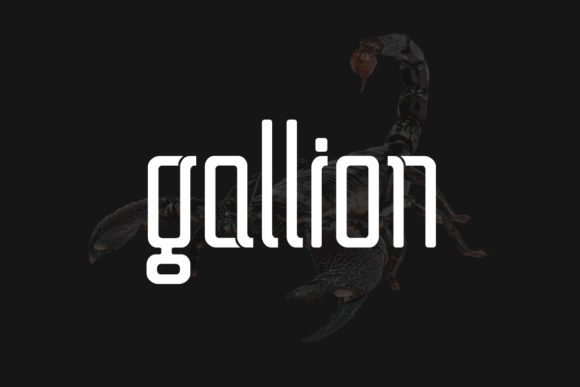
As I opened my design software and stared at the blank brand board, I knew I needed something special for this project. The client, a small café with a cozy, modern vibe, wanted a visual identity that would stand out. That's when I stumbled upon Gallion, a cool, modern, and simple display font.
The First Impression: Clean and Contemporary
Gallion’s clean lines and contemporary feel immediately caught my eye. It has a unique touch that sets it apart from more traditional fonts, making it perfect for a café that wants to blend comfort with a modern aesthetic. The first test was on the logo draft. I placed the café’s name in Gallion, and it instantly felt right—bold yet approachable.
Logo Design: Setting the Tone
For the logo, I used Gallion as the primary typeface. Its simplicity and readability made it an excellent choice for both the main logo and the secondary logos. The font’s strong presence helped establish a clear and memorable brand identity. I also experimented with different weights and styles to see how they could be used creatively in various logo iterations.
Packaging and Product Labels: Consistency is Key
Next, I moved on to packaging and product labels. The café offers a range of artisanal pastries and coffee, and the packaging needed to reflect the same modern, inviting feel. I used Gallion for the main product names and key information, ensuring that the font’s clean lines and boldness would catch the eye. The consistency in using Gallion across all packaging elements helped create a cohesive and professional look.
Social Media Graphics: Engaging and Eye-Catching
When it came to social media graphics, Gallion proved to be a versatile choice. I designed Instagram posts, story templates, and even a few Facebook cover photos. The font’s modern and simple style made it easy to read, even on smaller screens. I also played with different color combinations and backgrounds to see how Gallion could adapt to various themes and moods.
Website Headers: Making a Statement
The café’s website needed to make a strong first impression. I used Gallion for the main headers, including the homepage hero section. The font’s bold and clean appearance made the headlines stand out, drawing visitors in and setting the tone for the rest of the site. I also used it for important call-to-action buttons, ensuring that the most crucial information was easily noticeable.
Printed Marketing Materials: From Flyers to Business Cards
For printed materials like flyers, posters, and business cards, Gallion continued to shine. The font’s clarity and impact made it ideal for headlines and key information. On the business cards, I used Gallion for the café’s name and tagline, while a complementary sans serif font was used for the contact details. This combination created a balanced and professional look.
Font Pairing and Practical Advice
While Gallion is a fantastic display font, it’s best used in moderation. For longer text, I paired it with a clean sans serif font, such as Montserrat or Roboto. This combination ensured that the overall design remained readable and professional. I also recommend testing the font in different contexts before fully committing to it. Check how it looks on a shop sign, a menu, or a product label to ensure it meets the project’s needs.
Final Observations and Recommendations
Overall, Gallion is a versatile and stylish display font that can add a unique touch to any creative project. Its modern and simple design makes it ideal for a wide range of applications, from logo design to social media graphics. Just remember to use it thoughtfully and pair it with complementary fonts to achieve the best results. Whether you’re working on a café, boutique, or any other brand, Gallion is a premium font worth considering.
Before finalizing your design, always check the included styles, alternates, and ligatures. Also, ensure that the font supports the languages you need and that you have the appropriate commercial license. With these considerations in mind, Gallion can become a valuable asset in your design toolkit.